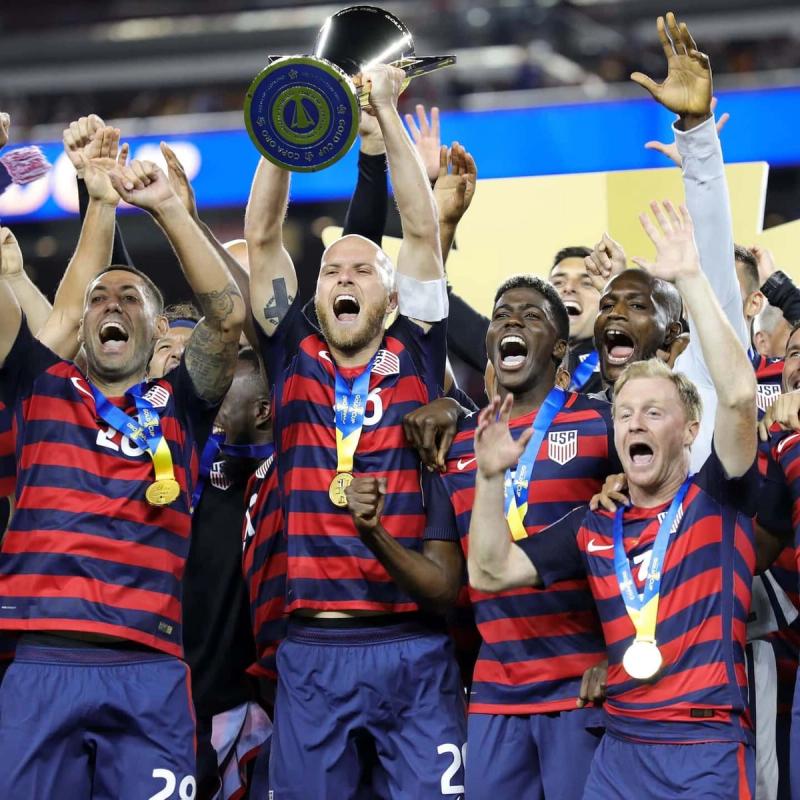
The tournament started from meager beginnings, featuring just eight teams playing in two Los Angeles venues – the Rose Bowl and LA Memorial Coliseum – in a competition that was to be completed in just 10 days.
Things nearly got off to a disastrous start for the USA, as new MNT head coach Bora Milutinovic had to stuff his players – starting XI first, followed by substitutes – into a myriad of taxi cabs after the bus that was supposed to transport them to the Rose Bowl never arrived ahead of the MNT’s opening match against Trinidad & Tobago.
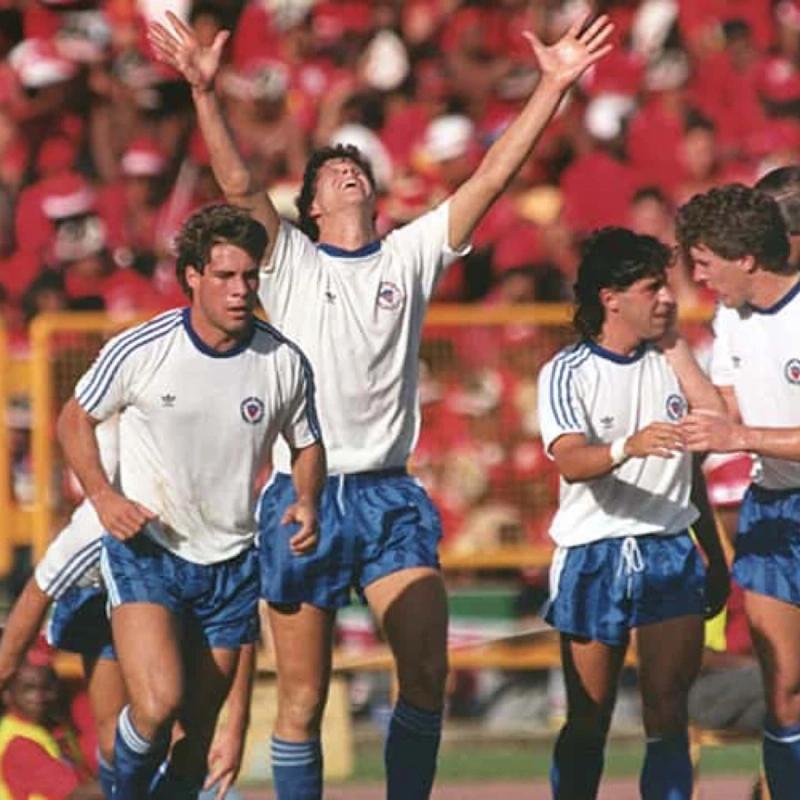
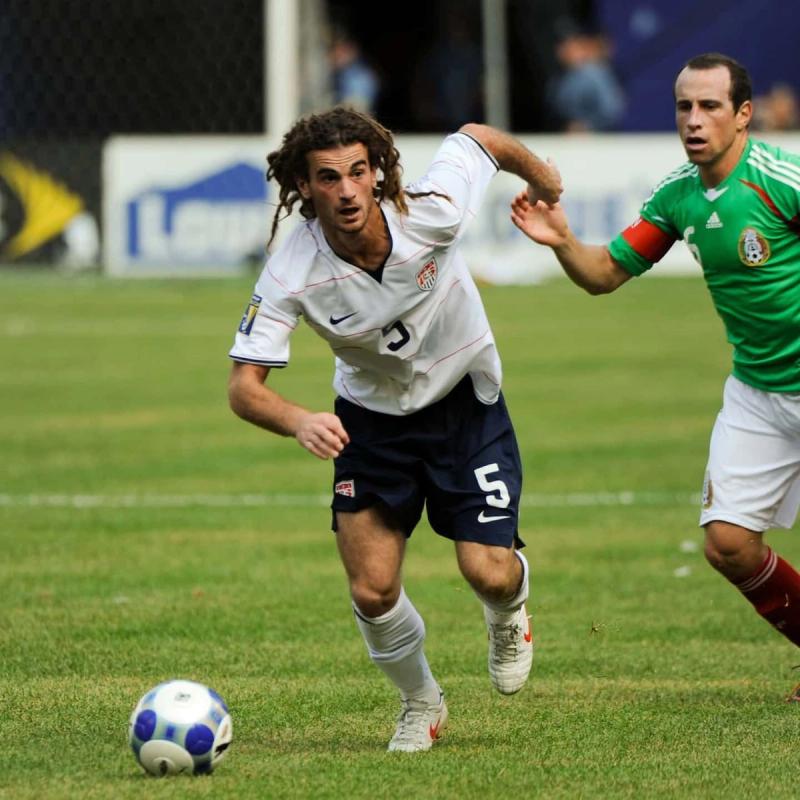
Despite falling behind 1-0, the USA rallied to win the match 2-1 – the first of four straight victories bookended by a 2-0 semifinal triumph against rivals Mexico. With only its third victory all-time against El Trí, the MNT advanced to its first major tournament final to be played two days later against Honduras.
With both teams playing their fifth match in nine or 10 days, the pace of the game was slow, and after 120 minutes of scoreless soccer the first Gold Cup Final would be decided by penalty kicks. Even the shootout was tirelessly frustrating!
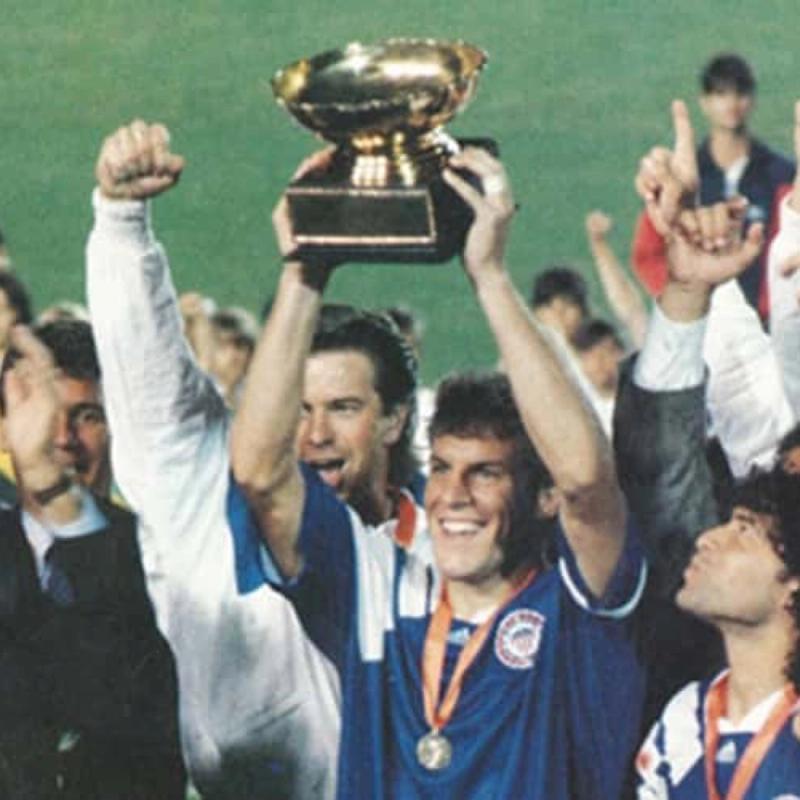
Every time the USA scored, Honduras matched them. Every time a take was missed, Honduras did the same. The teams mirrored each other through six rounds. With the score tied 2-2, U.S. defender Fernando Clavijo gave the hosts a 3-2 edge before Honduras’ Juan Carlos Espinoza blasted his take over the cross bar. Game over.
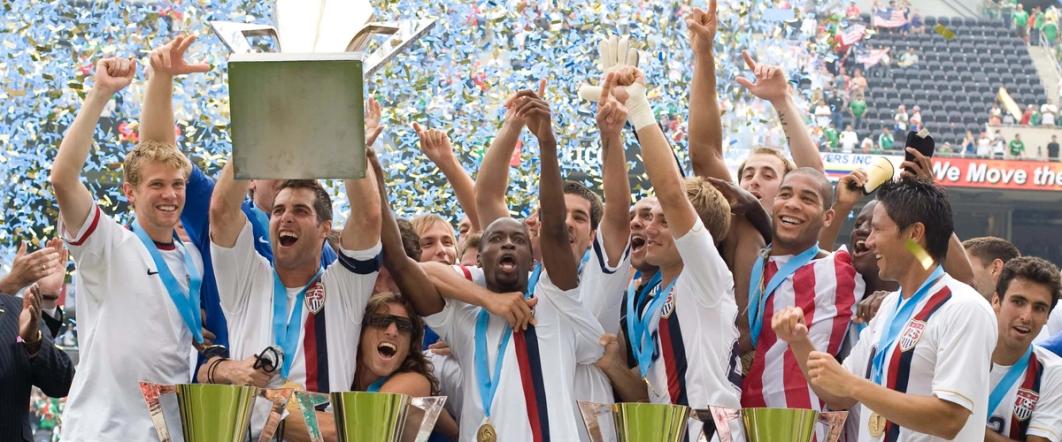
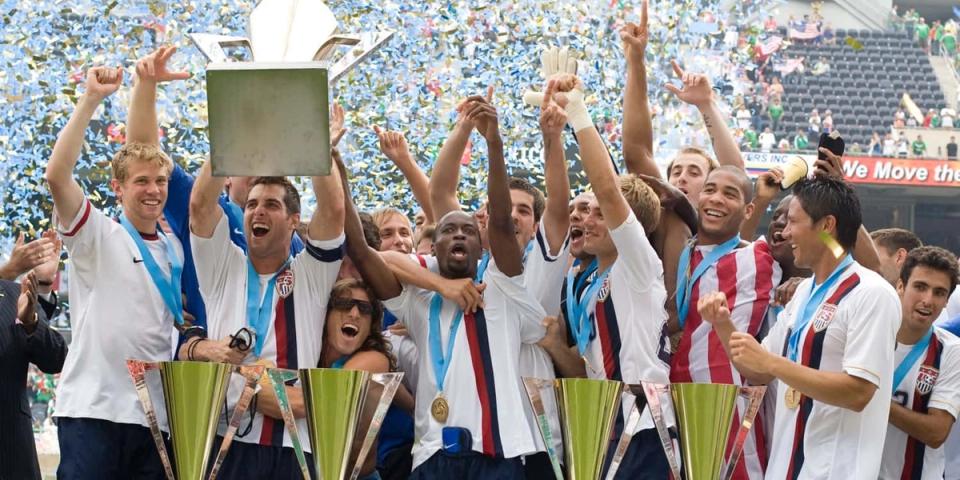
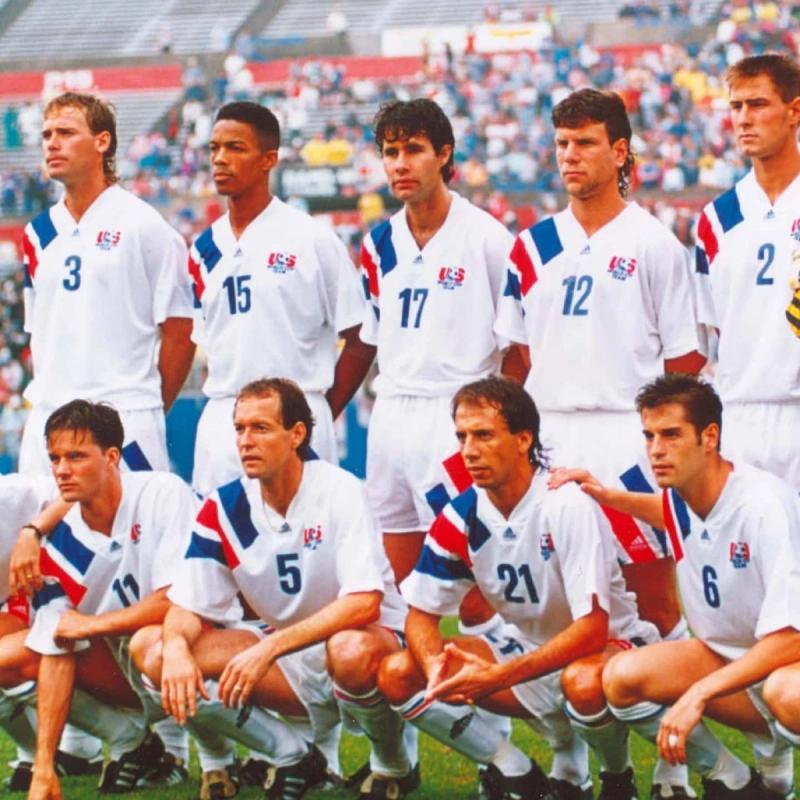
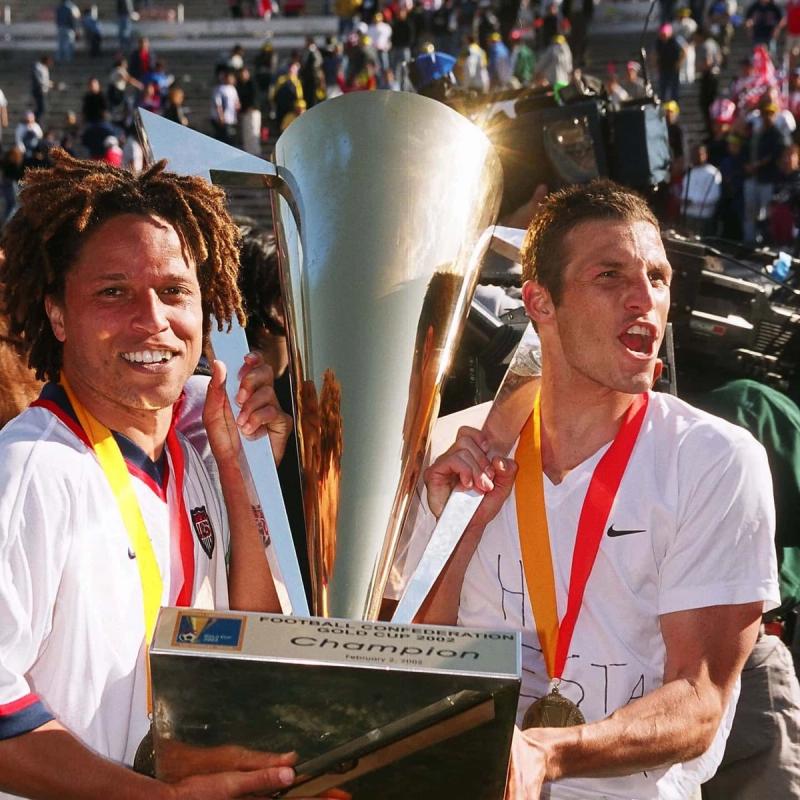
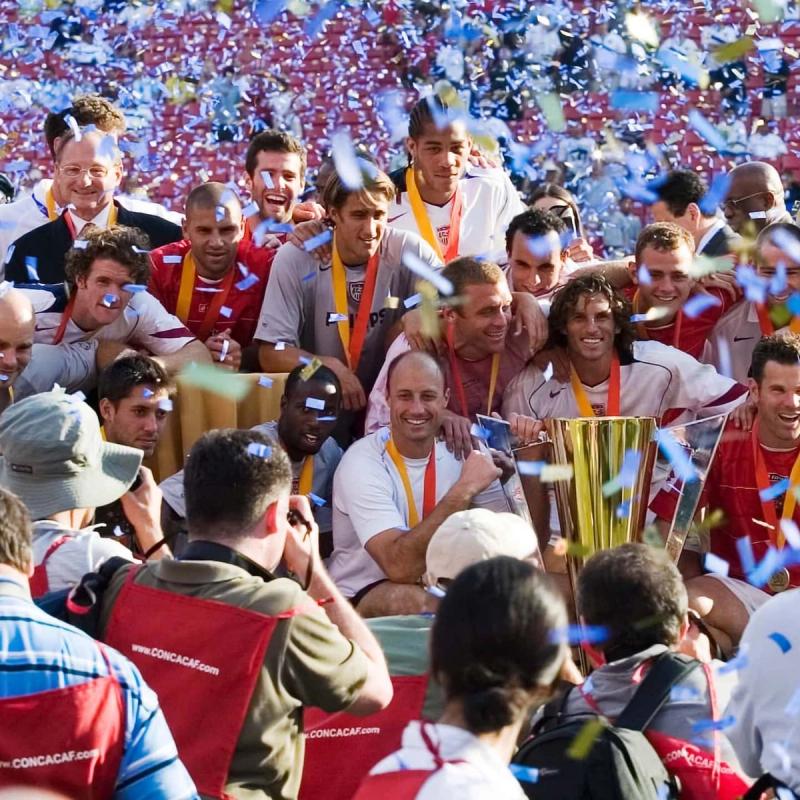
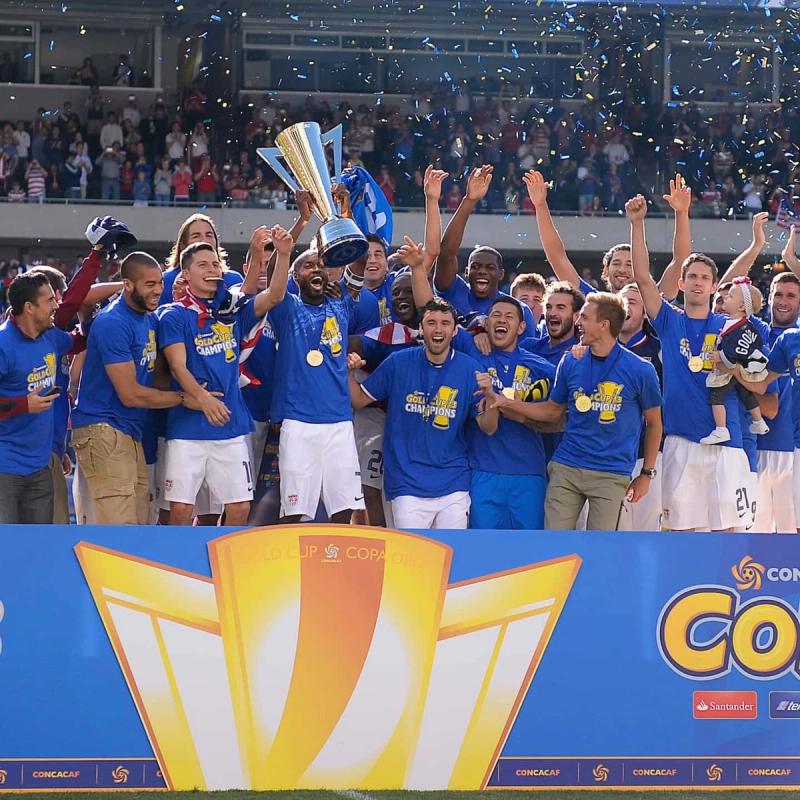
A new regional champion was crowned. For a U.S. side still evolving after taking part in its first World Cup in 40 years the summer before, that triumph proved a seminal moment in the team’s growth.
"In 1990, we taught ourselves that we could compete,"
then MNT captain Peter Vermes said. "In 1991, we realized that we could win. We needed to have that feeling. They were both great stepping stones, but you have to do it in that order."
Watch Video